cactus daddy – (2"-3")
Variety: cactus daddy. Offered size: (2"-3").
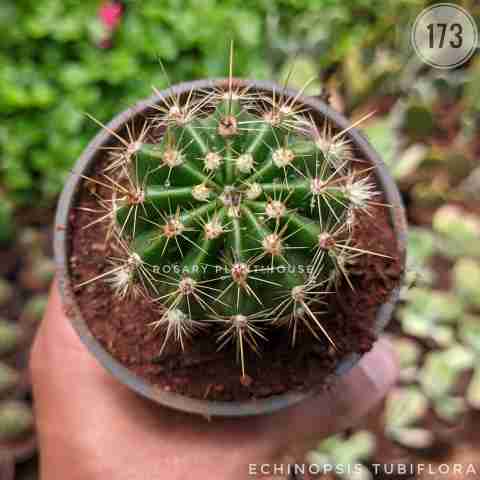
Price: Rs. 59 out of stock
Quick answer
Grow Globose Cactus in strong light and a sharply draining cactus mix, and water only after the soil has dried deeply. Keep it much drier in rainy or humid weather.
Plant details and care
Globose Cactus shows the drought-adapted form typical of container cacti, with thick stems or pads designed to store moisture. The safest care approach is bright sun, a mineral-rich mix, and long dry intervals rather than frequent watering. In Indian weather, monsoon wetness and poor airflow are usually bigger risks than underwatering. For home growers, the key care points are strong light, mineral-rich soil, and long dry intervals between watering.
Plant profile
- Growth habit
- Single round cactus
- Mature size
- Usually stays manageable in pots but enlarges steadily with age.
- Short description
- Globose Cactus is a potted cactus with a strong preference for bright light, quick drainage, and dry intervals between waterings. It is best grown where rain can be controlled.
Placement and light
- Sunlight
- Bright light to several hours of direct sun.
- Best placement
- Sunny balcony, terrace shelf, or very bright south-facing window.
- Direct sun tolerance
- Generally high after acclimation.
- Indoor suitability
- Conditional; only in a very bright sunny window.
- Balcony suitability
- Yes; excellent in bright covered balconies and terraces.
Watering by season
- Watering
- Water thoroughly, then let the cactus mix dry deeply before watering again.
- Summer watering
- Usually every 6-8 days in active warm growth if the pot dries quickly.
- Monsoon watering
- Water very sparingly and protect from prolonged rain.
- Winter watering
- Water lightly every 12-18 days or less, depending on dryness.
Soil, drainage and climate
- Soil
- Very fast-draining cactus mix with high mineral content.
- Pot/drainage
- Use a pot with strong drainage and no water stagnation.
- Temperature
- Best around 15-36 C.
- Humidity
- Low humidity is preferred; airflow is important in damp weather.
Maintenance and propagation
- Fertilizer
- Use diluted cactus fertilizer only during active growth.
- Pruning
- Remove damaged pads or stems only when needed and with care.
- Repotting
- Repot every 2 years or when the plant becomes crowded or top-heavy.
- Propagation
- Usually by pads, cuttings, offsets, or division depending on the cactus.
Seasonal care
- Summer care
- Strong light is helpful, but avoid combining extreme heat with soggy soil.
- Monsoon care
- Keep the plant much drier and sheltered from nonstop rain.
- Winter care
- Bright light and sparse watering are usually enough.
India growing notes
- South India note
- Fast drainage and rain control matter more than extra watering.
- North India note
- Bright winter light is useful, but reduce watering in cooler spells.
Common problems
Yellow leaves
Reason: Overwatering, low light, or older lower leaves aging naturally.
Solution: Let the potting mix dry appropriately, improve light gradually, and remove only fully spent leaves.
Leaf drop
Reason: Sudden stress from drought, overwatering, relocation, or strong afternoon sun.
Solution: Stabilize care, avoid frequent shifts, and return to a steady watering and light routine.
Soft stem
Reason: Stem or crown rot caused by excess moisture and poor drainage.
Solution: Remove damaged sections, repot into a fast-draining mix, and water less often.
Wrinkled leaves
Reason: The plant is drawing on stored moisture after staying dry too long.
Solution: Water deeply, then allow the mix to dry to the right level before watering again.
Leggy growth
Reason: Insufficient light causes stretched stems and wider gaps between leaves.
Solution: Move the plant to brighter light slowly and trim or propagate stretched parts if needed.
Sunburn
Reason: Harsh direct sun after shade-grown conditions or strong summer afternoon exposure.
Solution: Shift to bright filtered light or gentler morning sun and acclimate the plant gradually.
Pests
Reason: Mealybugs, aphids, spider mites, or scale may appear when airflow and plant vigor are poor.
Solution: Isolate the plant, wipe pests away, and repeat neem oil or insecticidal soap treatments as needed.
Root rot
Reason: Roots stay wet too long in compact soil or a pot without drainage.
Solution: Trim damaged roots, repot into airy mix, and never let water stand around the root zone.
Recovery tips
- Recovery tips
- Trim dead growth, improve drainage and light, and resume care slowly rather than overcorrecting all at once.
Questions about cactus daddy – (2"-3")
Can Globose Cactus grow indoors?
Only if it gets very bright light and some direct sun.
How often should I water Globose Cactus?
Only after the cactus mix has dried deeply.
What is the biggest risk for Globose Cactus?
Overwatering and prolonged wet soil are the most common problems.
Does Globose Cactus need full sun?
Most cacti prefer strong light, but newly moved plants should be acclimated gradually.
Can I keep Globose Cactus outside in monsoon rain?
Long wet spells are risky, so shelter is usually best.
How do I propagate Globose Cactus?
Propagation depends on the form, but cuttings or offsets are common methods.